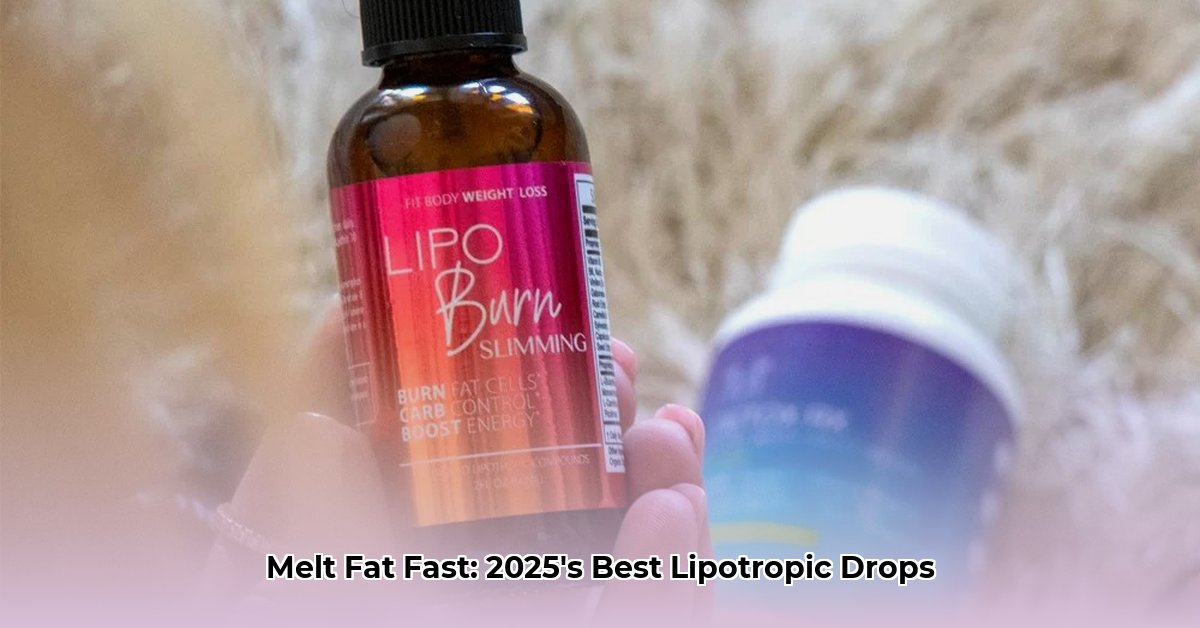
Want to accelerate your weight loss journey? Many are turning to lipotropic drops, but navigating this market requires careful consideration. This expert review and guide cuts through the marketing hype, providing a balanced assessment of popular lipotropic drops and empowering you to make informed choices. We'll explore the science behind these drops, decipher ingredient labels, and outline a safe and effective approach to their use.
Understanding Lipotropic Drops: Science and Claims
Lipotropic compounds—naturally occurring substances like choline, inositol, and methionine—are believed to aid liver function in processing fats. While some studies suggest a potential role in fat metabolism, more research is needed to confirm their effectiveness for weight loss, particularly when combined within specific product formulations. Crucially, the impact of these ingredients when incorporated into lipotropic drops hasn't been extensively researched. This makes it vital to approach these products with a discerning eye.
Did you know? The liver plays a critical role in fat metabolism, and lipotropic nutrients support its function.
Many companies make bold claims, so it's vital to approach marketing with a critical mindset. Always question claims of rapid or miraculous weight loss. Look for independent third-party testing to verify ingredient purity and potency. Transparency in sourcing and manufacturing processes is key, signifying a trustworthy brand. Reputable companies openly share this information.
How to Choose the Right Lipotropic Drops
Selecting the best lipotropic drops involves a multi-step process:
Scrutinize the Ingredient List: Understand the role of each ingredient (choline, inositol, methionine, etc.) and its quantity. Are the amounts sufficient for a noticeable effect? Different formulations have different strengths.
Demand Third-Party Verification: Look for evidence of independent lab testing to ensure ingredient purity and potency. This is a critical indicator of product quality and safety. Lacking this verification is a major red flag.
Analyze Reviews Critically: While online reviews can be helpful, consider both positive and negative feedback. Look for recurring themes in user experiences to gain a comprehensive picture.
Consult Your Healthcare Provider: Always consult your doctor before using any new supplement, especially if you have pre-existing health conditions or take other medications. Potential interactions with other medications need to be carefully considered.
Fact: Studies suggest that combining lipotropic supplements with a healthy lifestyle may support weight loss, but more research is required.
Holistic Weight Loss: Beyond the Drops
Remember, lipotropic drops are a supportive component, not a standalone solution, for weight loss. A balanced diet, regular exercise, and adequate sleep are fundamental. Think of lipotropic drops as a potential tool within a comprehensive weight management strategy, not a magic bullet.
Evaluating Lipotropic Drops: Pros and Cons
Lipotropic drops offer potential benefits but also come with limitations:
| Pros | Cons |
|---|---|
| May support fat metabolism | Limited conclusive research on weight loss efficacy |
| Potentially enhances liver function | Quality control and purity vary significantly among brands |
| Convenient and easy to incorporate into routines | May cause side effects like upset stomach or nausea |
| May boost energy levels | Potential interactions with medications; always consult your doctor first |
Understanding Lipotropic Ingredients and Their Roles
Lipotropic drops often include choline, inositol, and methionine. These nutrients are involved in various bodily functions, including fat metabolism and liver health. However, the extent of their direct impact on weight loss remains a subject of ongoing research. Many users report increased energy levels and improved liver function. While this is encouraging, it is not a guaranteed outcome.
Expert Opinion: "While lipotropics offer potential benefits in supporting liver function and fat metabolism, their efficacy in weight loss requires more robust scientific investigation," says Dr. Anya Sharma, MD, a leading researcher in nutritional science at the University of California, San Francisco.
Choosing Reputable Brands and Deciphering Labels
How to choose safe and effective weight loss drops? Prioritize transparency. Select brands that openly share their ingredient sourcing and provide third-party lab testing results. This commitment to transparency fosters trust and ensures better product quality and safety. Examine labels carefully to understand the quantity and type of each ingredient. Consider any potential allergies or sensitivities.
Safe and Effective Usage: Dosage and Monitoring
Begin with the lowest recommended dose and carefully monitor for any adverse effects, including digestive upset, allergic reactions, or other unusual symptoms. Adjust the dosage only as advised by your doctor. Remember, these drops are not a standalone solution but a part of a larger, holistic weight loss plan.
Integrating Drops into a Comprehensive Weight Loss Strategy
Lipotropic drops are not a magical cure-all for weight loss. They function best as part of a wider plan incorporating wholesome dietary changes, regular physical activity, and sufficient rest. A balanced approach, incorporating these aspects alongside lipotropic supplements under medical guidance, is more sustainable and effective than relying on any single solution.
Conclusion: Informed Choices for Safe and Effective Weight Loss
The lipotropic drop market is largely unregulated, highlighting the importance of making informed choices. Thorough research, careful selection of reputable brands, and a commitment to a comprehensive weight loss strategy are essential. Remember, consulting your doctor before starting any new supplements is always recommended for personalized guidance and safety.